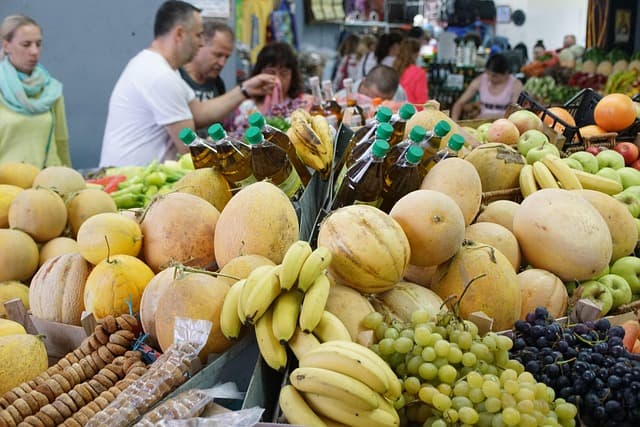
A farmer’s market is not just a place to shop, but a special intersection of taste, trust and sustainable consumption. Here you can find fresh, seasonal and quality produce, learn where it comes from, and meet the people who grow or produce it in person. This approach makes shopping more informed and rewarding for both the shopper and the entire local economy.
To find the best at the farmer’s market, it’s important to arrive early: morning is the best time to pick out fresh vegetables, fruits and herbs. An early visit also gives you a chance to chat with vendors, ask questions about the produce, growing conditions, and even get cooking tips. Many farmers are eager to talk about their work and are willing to offer to taste the goods before buying.
Seasonality is one of the main guidelines when choosing. Buying produce that is grown during this period maximizes the benefits and flavor. Summer berries, fall apples, spring greens or winter sauerkraut all reflect the natural cycle of nature and the farmer’s labor.
Buying directly from local producers not only helps shorten the path from field to table, but also supports farms that often compete with large chains. It’s a contribution to the local economy, preserving tradition and encouraging a more sustainable approach to food production. In addition, money spent at a farmers’ market more often than not stays in the region and comes back in the form of new jobs, better products and community development.
Farmers markets also often become centers of community. It’s a place to meet neighbors, share recipes, learn about local events, or simply spend time in a pleasant atmosphere. It strengthens the bond between town and country, between producer and consumer, and between the people who care about what ends up on their table.
When you choose a farmers market, you are choosing quality, honesty, and involvement in the local community. It’s not just about buying food – it’s about contributing to a better future where food has flavor, history and a face.