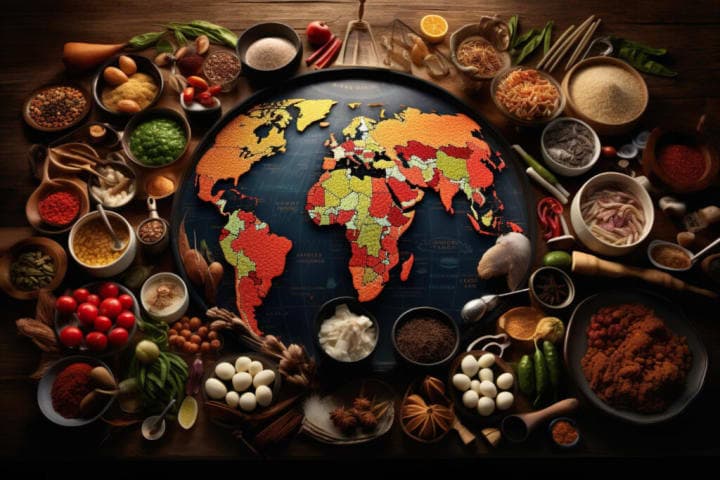
Food fairs hold an important place in the lives of Europeans, offering not only high-quality products but also the opportunity to immerse oneself in the atmosphere of traditions and cultural features of different countries. With the development of technology and online entertainment, such as online casinos, traditional fairs continue to remain popular and in demand. These events serve not only as places for exchanging goods but also as centers for social interaction, cultural exchange, and even charity. In this article, we will take a detailed look at the history of food fairs, their significance, and role in European culture, as well as their influence on modern societies.
Origins and Development of Fairs
Trade fairs in Europe have a long and fascinating history. They originated in the Middle Ages and have since served as an important economic and social link in the lives of people on the continent. Initially, fairs were held in large cities or in places with convenient transportation access, as they served as platforms for exchanging goods between regions and countries. This was a time when Europe began to develop trade networks, and the exchange of goods was a crucial part of people’s lives. Local farmers, craftsmen, and merchants gathered to exchange goods and showcase their products. Fairs not only offered agricultural products but also became important cultural centers.
One of the earliest examples of such fairs can be the Frankfurt Fair, which was founded in the 13th century. It became one of the most important trade platforms, where merchants from all over the continent would meet. The Frankfurt Fair was not only a commercial event but also a cultural one, as exhibitions, concerts, and other public events were held, attracting large crowds.
Food Fairs as Social and Cultural Events
As Europe developed, fairs became not only trading platforms but also significant events for local communities. In most European countries, fairs became true celebrations where local people could not only buy the necessary products and goods but also meet their neighbors, exchange news, and even have fun. Fairs were associated with cultural traditions, holidays, and important events in the lives of communities. For example, in the Czech Republic and other Central European countries, fairs are often held before Christmas, when markets are filled with the festive spirit, and traditional products such as sweets, spices, pottery, and much more are offered.
These fairs serve as a center for exchanging cultural traditions and skills. The variety of goods and products offered at fairs reflects the richness of the culture of each country and region. In the Czech Republic, for instance, local markets feature products from local farmers, cheesemakers, craftsmen, and winemakers, who proudly showcase their achievements.
The Impact of Technology on Traditions
With the development of modern technologies and online services, such as online casinos and other forms of digital entertainment, traditional markets and fairs seemed to have lost their relevance. However, despite expectations, food fairs continue to thrive, attracting new visitors. This shows that physical meetings, the exchange of goods, and cultural experiences have not lost their significance, despite the rapid development of the virtual world. If you’re interested in learning more about online entertainment, such as online casinos, you can visit the site novecasino.net, where you’ll find plenty of useful information and recommendations.
It is worth noting that in recent years, many fairs have started using online platforms to attract buyers and improve service. For example, in the Czech Republic, some fairs offer online orders for local products with home delivery. This combination of traditions and new technologies gives people the opportunity to enjoy products and goods without leaving their homes.
Charity Fairs: From Helping Those in Need to Cultural Initiatives
One of the most important aspects of fairs is their connection with charity. In some European countries, fairs not only serve as trading platforms but also become significant events for raising funds for charitable causes. In the Czech Republic and other countries, such events are often held to support the underprivileged, children, and elderly people, as well as to fund cultural and educational initiatives. Charity fairs become real celebrations where people gather to help those in need.
Some fairs, such as the Christmas markets in Prague, organize fundraising for charitable organizations, with local businesses and artisans providing goods and products, the proceeds of which go to support those in need. These fairs become not only a center for exchanging goods but also a symbol of solidarity and social responsibility.
Conclusion
Food fairs in Europe have come a long way from trading platforms in the Middle Ages to modern cultural and charity events. Today, they remain an important part of public life, offering not only goods but also opportunities for social and cultural activity. While technology and online entertainment, such as online casinos, become increasingly popular, fairs continue to serve as important centers for communication, cultural exchange, and support for local economies. In Europe, fairs have become true celebrations that bring people together and create an atmosphere of mutual help and joy.