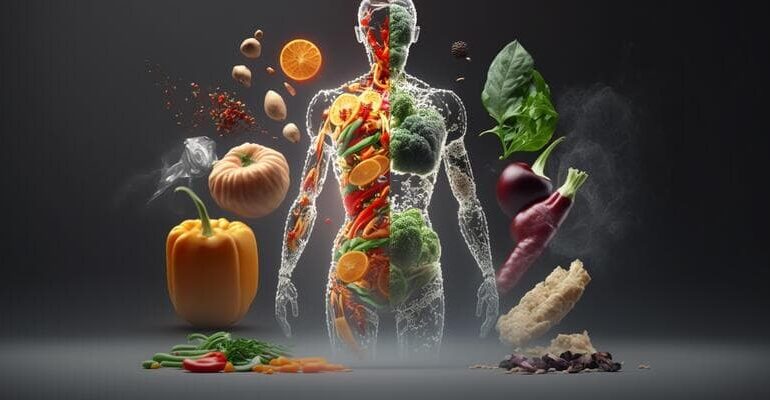
Modern science is increasingly focusing on the relationship between genetics and nutrition. We know that our heredity has a significant impact on our health, but what can be done to minimize the risks associated with genetic predispositions? One of the key factors that can influence our health and help the body cope with hereditary diseases is proper nutrition. Healthy food not only supports the overall condition of the body, but it can also be an important tool in fighting numerous diseases passed down through generations.
The Impact of Nutrition on Genetic Expression
Our genes are like “instructions” for the body, determining how we will develop, what diseases we might inherit, and how we will respond to external influences. However, it is important to understand that genes are not a sentence. Today, we know that our nutrition can change what is called genetic expression—i.e., the activation or deactivation of specific genes. This phenomenon is known as epigenetics, and it plays a crucial role in how nutrients, vitamins, and minerals can influence the development of diseases, including hereditary ones.
For example, foods rich in antioxidants, such as berries, greens, nuts, and fish, can slow down cell aging and reduce the risk of chronic diseases. They activate genes that are responsible for protecting cells from damage and suppress those associated with inflammatory processes and cancer.
How Nutrition Helps with Hereditary Diseases
Some diseases, such as cardiovascular diseases, diabetes, obesity, and certain types of cancer, have a genetic predisposition. However, this does not mean that a person with a genetic predisposition to a particular disease will inevitably develop it. Proper nutrition can significantly reduce the risk of disease development or make its course easier.
Cardiovascular diseases. Lowering cholesterol levels and maintaining normal blood pressure are key aspects of preventing heart disease. Omega-3 fatty acids, found in fish, nuts, and seeds, contribute to heart and vessel health. Antioxidants, present in fresh vegetables and fruits, protect cells from oxidative stress that can damage blood vessels and lead to heart attacks and strokes. Fiber, which is found in whole grains, helps maintain normal cholesterol levels.
Diabetes. For people with a genetic predisposition to diabetes, it is important to control blood sugar levels. Foods with a low glycemic index, such as whole grains, vegetables, and legumes, help maintain stable blood sugar levels, reducing the risk of type 2 diabetes. Vitamins and antioxidants that help improve insulin sensitivity are also important.
Obesity. Excess weight is not only an aesthetic problem but also a serious risk factor for the development of many diseases. Genetic predisposition can affect how we perceive hunger and satiety, but proper nutrition can help control weight. Foods rich in protein, healthy fats, and fiber can reduce appetite and help maintain normal weight, which is especially important for those with a genetic tendency to obesity.
Cancer. Despite a genetic predisposition, nutrition plays an important role in cancer prevention. Foods rich in vitamins A, C, and E, folic acid, and selenium have anti-cancer properties. Foods high in fiber and antioxidants, such as broccoli, berries, apples, and leafy vegetables, are especially important.
Nutrition and the Microbiome: A New Connection
Recent studies have shown that not only our genes affect our health but also the microbiome—the collection of microbes living in our intestines. The microbiome actively participates in food digestion, vitamin synthesis, and protection from harmful bacteria. Scientists have found that a healthy microbiome helps the body better cope with genetic predispositions. Proper nutrition, including probiotics and prebiotics, can help maintain microbial balance and reduce inflammation, which contributes to the development of various diseases.
Special attention should be paid to foods rich in fiber, such as vegetables, fruits, and whole grains. They promote the growth of beneficial bacteria in the gut and help improve metabolism, reducing risks associated with genetic predisposition.
The Role of Vitamins and Minerals in the Fight Against Hereditary Diseases
Vitamins and minerals play an important role in maintaining health and preventing numerous diseases. For people with a genetic predisposition to specific conditions, proper nutrition with sufficient amounts of vitamins and minerals can significantly improve their health. For example, vitamin D helps strengthen the immune system and maintain bone health, while magnesium is important for the proper functioning of the heart and nervous system.
Healthy food, rich in vitamins and minerals, helps the body function properly, prevents the development of chronic diseases, and increases the ability to recover.
Conclusion
Genetics plays an important role in our health, but it does not determine our fate. Nutrition has a significant impact on how genetic predispositions manifest and how we can fight hereditary diseases. Healthy food can improve the quality of life and reduce the risk of developing various diseases. The right choice of foods, balanced nutrition, and care for the body are not only a way to good well-being but also an effective prevention of hereditary diseases.