Europe, with its centuries-old traditions and cultural diversity, cannot do without regular feasts, holidays, and social events that become true symbols of social cohesion. These events have a huge impact on building and maintaining community, offering people opportunities to connect, share experiences, and strengthen relationships. In this context, holidays not only play a role in cultural life but also serve as essential tools for social integration and exchange.
Feasts and Holidays as Cultural Markers of Europe
In Europe, feasts and holidays are not just a time for fun; they are moments when people can come together to celebrate shared values, traditions, and historical heritage. These events take different forms in various countries. For example, in Hungary, one of the significant holidays is St. Stephen’s Day, when people gather for celebrations outdoors, with songs and dances. These events not only remind people of national history but also provide an opportunity for residents from all corners of the country, regardless of their social status or origin, to meet in one place and exchange experiences.
In the context of globalization and the rapid development of online entertainment, such as online casinos, these traditions take on even greater significance. Despite the popularity of virtual entertainment, such holidays in the real world remain undeniable centers of social activity, reminding us that nothing can replace face-to-face communication, dancing, and shared meals. By the way, if you’re interested in learning more about online casinos and finding reliable gaming platforms, visit kaszinomagyar.net.
The Role of Major Holidays in Strengthening Social Ties
When it comes to major holidays, such as Christmas, Easter, or national celebrations, in each country, these events are not just part of the cultural program. They are significant events where people can showcase their identity and be part of something larger and more important. In Hungary, for example, holidays often become moments for family, friends, and colleagues to meet. It is a time when common traditions and values help people strengthen their relationships, forget about everyday worries, and dedicate time to loved ones.
The special feature of such holidays is that they are always linked to cultural practices and customs passed down from generation to generation. In such circumstances, people feel a sense of belonging to a common cause, which, in turn, helps create a sense of collective responsibility and support. This, in turn, makes people feel more connected to society as a whole, which is essential for both personal well-being and the strengthening of societal stability.
How Feasts and Holidays Help Preserve Cultural Identity
Equally important is the role that feasts and holidays play in preserving cultural identity. Every society in Europe has its unique customs and traditions that become an inseparable part of its historical memory. In Hungary, for example, the tradition of preparing certain dishes for holidays or specific rituals associated with festivals creates not only a sense of unity but also helps people feel part of their nation. Through shared activities like communal meals or dancing at festivals, culturally rich elements are preserved and passed down through the ages.
For Europeans, holidays are not only a time for relaxation but also an important opportunity to express their cultural belonging, especially in multicultural societies. These events serve as tools for socialization, helping maintain a sense of pride in one’s culture and history, while also being open to other cultures with which participants can interact through communication and participation in various activities.
Holidays as Spaces for Creating New Connections
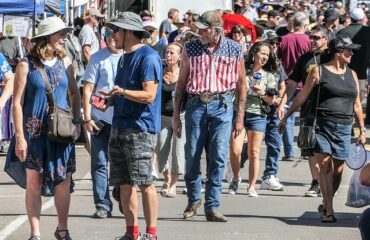
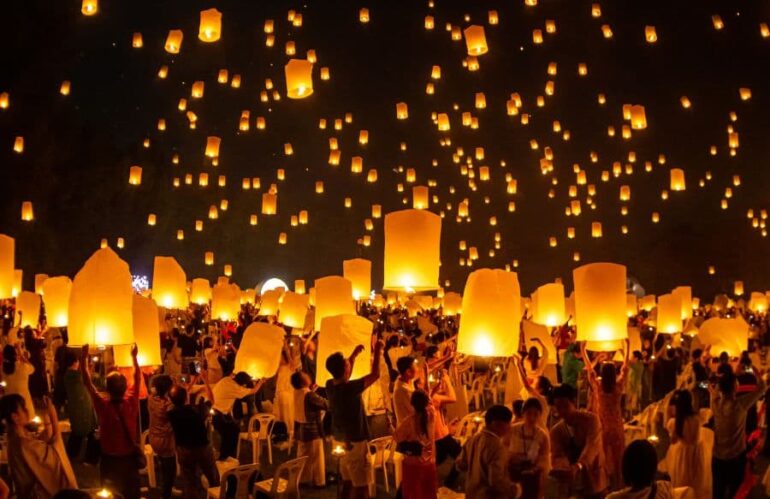
In addition to strengthening existing social ties, feasts and holidays in Europe also serve as important spaces for creating new connections. In large cities and small towns, people often gather at mass events, such as carnivals, music and arts festivals, or national holidays. At these events, people have the opportunity to meet new people, expand their social circles, and find like-minded individuals.
When people from different social strata meet at such celebrations, social barriers naturally begin to dissolve. People start to perceive each other as equals, which fosters mutual understanding and cooperation. For example, participating in common events or even simply being in one place with other people from different regions or countries creates a space for social mobility, idea exchange, and experience. This is particularly significant within the context of the European Union, where cultural diversity is the norm.
Feasts as a Way to Maintain Social Capital
One of the key aspects of feasts and holidays is the so-called social capital — a network of personal connections that helps people achieve success in life, whether in business or personal affairs. At feasts and holidays, whether at weddings, anniversaries, or official banquets, people exchange not only ideas but also business contacts, create new partnerships. In such an atmosphere, a space for informal meetings is created, something that cannot be achieved in formal events.
Gatherings at holidays become places where people exchange experiences, where they can discuss important matters in a more relaxed setting. This gives an opportunity to strengthen existing ties and create new ones, which is crucial for business, personal relationships, and professional spheres.
The Transformation of Social Connections in the Digital Age
While traditional holidays and feasts remain an integral part of life in Europe, changes in technology also influence social interactions. In the era of digitalization, when online entertainment, including online casinos and other virtual events, is becoming increasingly popular, people are looking for ways to integrate traditional forms of communication with new ones. This leads to the emergence of hybrid events, where people can participate both in real life and online, helping to expand social connections and strengthen communities.
Conclusion
Feasts and major holidays in Europe play a key role in strengthening social connections and shaping community identity. Despite the development of online entertainment, such as online casinos, which provide virtual communication, live holidays remain one of the most important mechanisms for social integration and exchange. In Europe, they serve not only for entertainment but also for people to find common ground, share experiences, and create new connections, which remains an important aspect of European culture throughout the centuries.